
Both models produce excellent websites. Both also produce disasters. The difference between a good outcome and a bad one has far less to do with which model you pick than whether you picked the model that matches your actual situation.
Where we sit: Webko is a small studio, which is one of the options compared below, so read this knowing we have a position. We have tried to write the case for hiring a freelancer as we would make it to a friend, because on a well-defined small project it is frequently the right answer, and telling you otherwise would not survive contact with your own research.
Quick comparison
| Freelancer | Agency | |
|---|---|---|
| Typical project cost | $1,500–$10,000 | $6,000–$60,000 |
| Hourly rate | $40–$150 | $100–$275 |
| Skills covered | 1–2 disciplines | Design, dev, copy, SEO, PM |
| Communication | Direct with the builder | Via an account or project manager |
| Speed on small jobs | Fast | Slower (process overhead) |
| Capacity for large jobs | Limited | High |
| Continuity risk | High | Low |
| Accountability | Personal | Contractual, with a company behind it |
| Flexibility | Very high | Moderate |
| Best project size | Under $10,000 | $10,000+ |
The case for hiring a freelancer
- You pay for work, not overhead. An agency’s rate covers office costs, sales staff, project managers and utilisation targets. A freelancer’s rate covers their time. On identical scope you are frequently looking at a 40–60% difference in cost for comparable scope.
- You talk to the person doing the work. No brief passing through an account manager and a producer before reaching the developer. Feedback loops are shorter and less gets lost.
- They move faster on small projects. A five-page site that takes an agency six weeks of process can take a good freelancer two or three. There is no internal kickoff, no resourcing meeting, no handover.
- Specialists are easier to find. Need someone who has built forty Shopify subscription stores? Freelance marketplaces make deep specialists findable in a way that generalist agencies rarely match.
- Flexibility is genuine. Freelancers will often work to your process, your tools and your timeline. Agencies have their own, and deviating from it costs money.
Where freelancers genuinely fall short
Continuity is the real risk. The failure mode isn’t bad work — it is the freelancer taking a full-time role eighteen months after launch and becoming unreachable. If nobody documented the build, you now own a site that only one unavailable person understands. This is the single most common expensive surprise in freelance projects.
- Bandwidth is finite. Illness, family emergencies, a competing client deadline — one person has no bench. An agency reassigns; a freelancer postpones.
- Skill coverage is narrow. Most freelance web designers are strong in one or two areas. Design, development, copywriting, SEO and conversion strategy are five different skills, and very few people are genuinely strong in all five.
- Process discipline varies enormously. The excellent ones run tighter projects than most agencies. The weak ones have no contract, no staging site, no version control and no documentation.
The case for hiring an agency
- Multi-discipline coverage in one engagement. Strategy, design, development, copywriting and SEO under one contract, with one person responsible for making them fit together. For a project that needs all five, coordinating five freelancers is a job in itself — and it is your job.
- Continuity and redundancy. If the developer leaves, the agency assigns someone else. Your project does not stop. In year three, someone still knows how the site was built.
- Accountability that has weight. A company with a reputation, a client list and legal exposure behaves differently from an individual. Agencies also carry professional indemnity insurance, which matters on projects handling payments or personal data.
- Capacity for scale. Large e-commerce builds, multi-site platforms, complex integrations and tight launch deadlines need parallel work. Four people working simultaneously finish in a quarter of the time one person does.
- Established process. Discovery frameworks, design systems, QA checklists, staging environments, documented handover. You are buying the accumulated lessons of a hundred previous projects.
Where agencies genuinely fall short
- You pay for the structure whether you need it or not. A five-page brochure site routed through discovery workshops, three approval gates and an account manager will cost three times what it should.
- Communication runs through intermediaries. Your feedback reaches the designer secondhand. Nuance gets lost, and “make it feel more confident” becomes “make the headline bigger.”
- Senior people sell, junior people build. The person who impressed you in the pitch may not touch your project. Ask directly who is assigned and request to meet them.
- You may be a small account. If your $8,000 project sits alongside their $200,000 retainer clients, guess whose deadline moves when resourcing gets tight.
- Less flexibility. Changing direction mid-project triggers change orders and renegotiation. That process exists for good reasons, but it is slower.

Cost comparison by project type
| Project | Freelancer | Agency | Difference |
|---|---|---|---|
| Landing page | $400–$1,500 | $1,500–$5,000 | ~3x |
| 5-page business site | $1,500–$5,000 | $5,000–$15,000 | ~3x |
| Custom site with CMS | $4,000–$10,000 | $12,000–$35,000 | ~2.5x |
| Shopify store (100 SKUs) | $3,000–$12,000 | $10,000–$40,000 | ~2.5x |
| Website redesign | $3,000–$9,000 | $10,000–$30,000 | ~3x |
| Ongoing maintenance | $100–$600/mo | $500–$3,000/mo | ~4x |
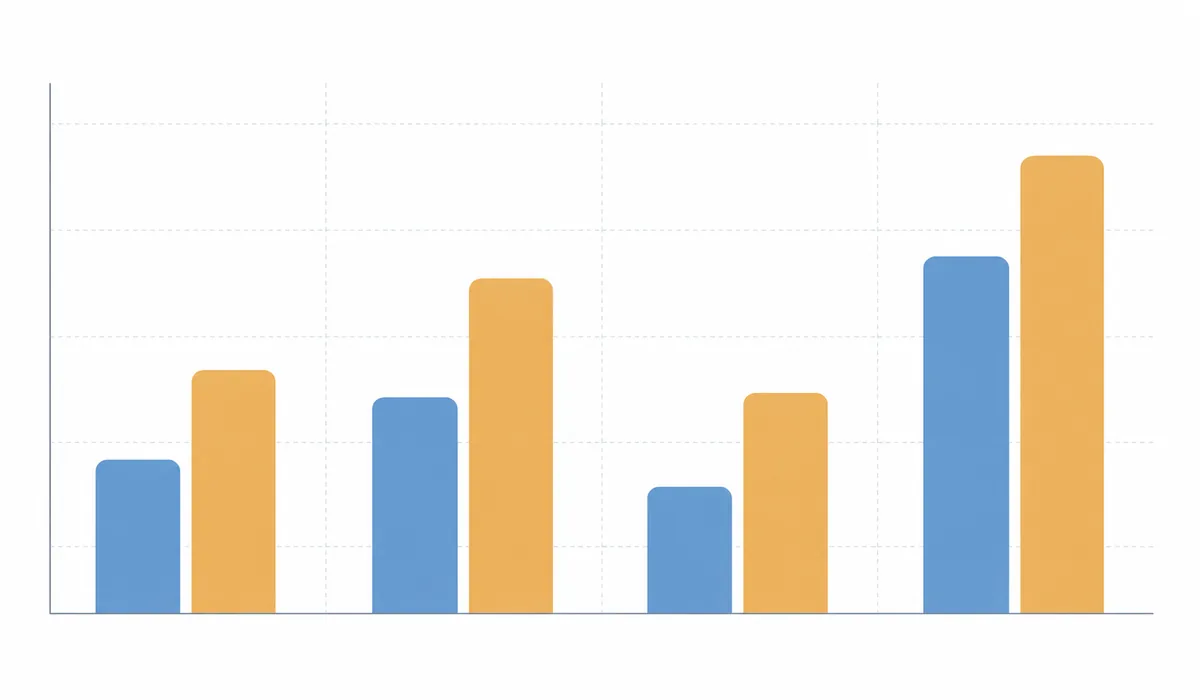
The multiple is consistent at roughly 2.5–3x. Whether that premium is worth paying depends entirely on how much the website matters to your revenue, and how much project management you want to do yourself.
The middle options most people miss
The choice isn’t binary.
- Small studios (2–5 people). Agency coverage without agency overhead. You usually still talk directly to the people building it. For projects in the $8,000–$25,000 range this is frequently the best value in the market, and it is the model this studio runs on.
- A freelance team or collective. A designer and a developer who regularly work together, contracting jointly. Multi-discipline coverage at close to freelance rates, but confirm in writing who is accountable if they fall out.
- Freelancer plus an agency retainer. Freelancer builds; an agency handles ongoing maintenance and security. Solves the continuity problem without paying agency build rates.
- Agency build, in-house maintenance. Agency delivers a well-documented site with CMS training, and you handle content updates internally. Lowest long-term cost if you have the capacity.
How to de-risk either choice
These protections apply regardless of who you hire, and they are worth more than any amount of portfolio browsing.
- Own everything. Domain, hosting account, CMS admin, code repository and design files must be registered in your name and your company’s accounts — never the contractor’s. Put this in the contract.
- Require documentation as a deliverable. A written handover covering hosting, credentials, plugins, custom code and how to update content. Make final payment contingent on receiving it.
- Use version control and a staging site. If a freelancer doesn’t use Git and has no staging environment, that tells you a lot about how the project will be run.
- Pay in milestones, never fully upfront. 30–50% deposit, remainder tied to deliverables. Never 100% before work starts.
- Check live sites, not mockups. Open three of their launched projects on your phone and run one through PageSpeed Insights. Ninety seconds tells you more than any portfolio page.
- Call one reference. Ask specifically: did it finish on time, what went wrong, and were they responsive after launch?
- Agree a post-launch support window in writing. 30–90 days of bug fixes at no charge is standard. Get the hourly rate afterwards in the contract too.
Where to find each
Freelancers: Upwork and Toptal (vetted, higher rates), Contra and Codeable (WordPress specialists), direct referrals from your network, LinkedIn, and platform-specific partner directories like Webflow Experts and Shopify Partners.
Agencies: Clutch and DesignRush for verified reviews, platform partner directories, industry referrals, and — the most reliable method — identifying sites you admire in your sector and finding out who built them. The credit is often in the footer or the page source.
The single best source for both remains a referral from a business similar to yours that has worked with them for more than a year. Reviews tell you about the build. A long-term client tells you about everything after it.
Frequently asked questions
Is it cheaper to hire a freelancer or an agency?
Freelancers cost roughly 40 to 60 percent less on comparable scope because their rate does not cover account management, project management or office overhead. Expect an agency to charge about 2.5 to 3 times a freelancer's price for an equivalent project.
Are freelance web developers reliable?
Many are highly reliable, but the risk profile differs. The main risk is continuity rather than quality, since one person can become unavailable through illness, a full-time job or competing deadlines. Reduce this by requiring documentation, owning all accounts and arranging maintenance that does not depend on them.
When should I choose an agency over a freelancer?
Choose an agency when the project needs several disciplines at once, when the website is a primary revenue channel, when compliance or integration requirements exist, or when you lack capacity to project-manage the work yourself.
Can I hire a freelancer for a large e-commerce site?
It is possible but risky above a certain size. Large catalogues, complex integrations and tight deadlines require parallel work that one person cannot provide. A freelance team or small studio is usually a better fit than a solo freelancer or a large agency.
How do I protect myself when hiring a web developer?
Register the domain, hosting and all accounts in your own name, pay in milestones rather than upfront, require written documentation as a deliverable, insist on a staging environment and version control, and agree a post-launch support window in the contract.
What is the best platform to hire a freelance web designer?
Toptal and Codeable pre-vet for quality at higher rates, while Upwork and Contra offer wider choice with more vetting effort required from you. Platform partner directories such as Webflow Experts and Shopify Partners work well when you have already chosen your technology.
Do agencies produce better websites than freelancers?
Not inherently. The best freelancers routinely outperform mediocre agencies. Agencies produce more consistent results because internal process and review catch weak work, whereas a freelancer's output depends entirely on that individual's ability.
Conclusion
Match the model to the project, not to a general belief about which is better. A defined five-page site handled by a good freelancer at $4,000 is a smart decision. The same freelancer taking on a fifteen-week e-commerce replatform alone is a risk you’ll pay for later.
And whichever you choose, the protections are identical: own your accounts, pay in milestones, demand documentation, and check live sites before you sign anything.
If a small studio is the shape that fits, start with a free mockup — you’ll see the design and a fixed quote before committing to anything. If it isn’t, the checklist above still applies to whoever you hire.